

Packing for India’s Monsoon Season
This article may contain affiliate links where I make a small commission for purchases you make from links that you click from this article. By purchasing through these links, you support me at no additional cost to you. Thanks for your support.
It was as if I had walked into a brick wall. It startled me, and I rocked back a couple of steps until I could get my feet underneath me again. The thick wall of heat and humidity that is in India in August is real, and it will knock you on your ass.

I wondered if I could deal with a whole 2 weeks of this sweaty, thick heat as I stumbled back to the air-conditioned bus after our tour of Qutub Minar. My niece and I had a heat scale we used; the hottest days were called ‘lip sweat’ days – yes, your upper lip would even form little beads of sweat in India in August. Luckily, we only had a few of those ‘lip sweat’ days, or maybe it was that eventually we got used to it, or more likely, we learned how to cope with it.
When you hear the term India Monsoon Season, you immediately think of rain, lots of rain. It actually only rained on us on 2 of the 14 days we traveled around Rajasthan. However, rain isn’t the only card that Monsoon Season deals – it also comes with incredible heat and humidity when it isn’t raining.
I understand why people cringe at the thought of traveling to India during Monsoon Season; however, I think the challenging weather makes a place even more intriguing. It also means fewer tourists and cheaper prices! In the end, it was worth it to me as we had the chance to experience India without the throngs of tourists and see how the locals lived during the Monsoon season.
Table of Contents
India’s Seasons
The nation has four seasons: Winter (December, January, and February), Summer (March, April, and May), a Monsoon rainy season (June to September), and a Post-Monsoon period (October to November).
The Monsoon season is dominated by the humid southwest summer monsoon, which slowly sweeps across the country beginning in late May or early June. Monsoon rains begin to recede from North India at the beginning of October. South India typically receives more rainfall.
Be Prepared for India’s Monsoon Season
Like most extreme weather travel, it’s simply about packing correctly for the season. I was excited to take on India during monsoon season, and this Monsoon packing list helped me enjoy it. Some of these items are specific to dealing with the heat and rain during the Monsoon season, and others are just great things in general to have on an India packing list.

India Packing List for Monsoon Season
Packing Monsoon Weather Gear
Rain Protection
I used my Outdoor Research Helium Rain Jacket for heavy rain when we were in Udaipur. It’s the only jacket I brought for the trip, and I also used it for an extra layer on the plane when I got cold. It’s a versatile jacket that has kept me dry through many a downpour! Bring on the Monsoon rains – the Helium jacket can handle it!

This was my 'Chasing Waterfalls' jacket in Iceland! I still can't believe how lightweight it is - making it perfect for travel adventures. Stay warm, dry and visible on and off the trails with the women's Outdoor Research Helium rain jacket. Taped seams, protected zippers - this lightweight jacket is fully waterproof!
If you don’t want to invest in a rain jacket, you can also simply bring a rain poncho. It’s a cheaper and lighter option to combat the rain. One benefit of a big poncho is that it also will cover your day pack, purse, or camera if you are carrying one.
Or, forget all of the hot layers and simply bring a travel umbrella with you to stay dry. An added benefit is that it can also protect you from the sun and provide some shade! I honestly used mine more for shade than rain, and it was really great to have because every little bit of shade helps!
Packing Bug Protection
With the rain comes the bugs during the Monsoon Season in India. Mosquitos aren’t simply annoying; they can also bring illness with them. BugsAway® apparel with InsectShield® technology is a revolutionary tool to aid you in the battle against insects that can carry insect-borne diseases.
To combat Malaria and Dengue Fever, we packed Bugs Away clothing from ExOfficio. And the best part is there is no icky odor! We wore our BugsAway clothing (shown below) pretty much every day, but it was really useful for our Tiger Safari in Ranthambore National Park and our Camel Ride in Pushkar, where there seemed to be lots of pesky bugs!


Clothing can’t cover every part of you, so for those little exposed areas that remained, we used Ben’s Insect Repellent containing 30% DEET bug spray and Natrapel wipes, which is a natural repellent that is great for hands and face, where you don’t want DEET.


A great alternative to DEET - especially when working with electronics that you don't want to expose to DEET. Travel-friendly bug repellent in TSA-approved wipes are freshly scented and feature a non-greasy formula, making this a must-have for your packable daypack and outdoor adventures
And don’t forget sun protection, and start with your head, and bring a good sun hat! I travel with a number of different hats all the time, as it’s so important for sun protection and bad hair days (which I had a lot of in India!).
Besides my random baseball hats, I also bought a nice sun hat from Wallaroo Hats in Colorado. I traveled with the Naples Fedora sun hat with 50SPF to combat the intense rays as we toured palaces and forts with no shade in sight! And of course, don’t forget the SPF suntan lotion!


I love all of their styles and normally always have at least 2 of their different hats with me on every trip I take! All of their styles offer superb sun protection. The Skin Cancer Foundation recommends the material of every Wallaroo hat with a UPF rating and a 3+ inch brim as an effective UV protectant. Plus, they have so many fashionable styles!
Use my Discount code, OTTSWORLD20, for an extra 20% off regular-priced items!
Packing Health-Oriented Gear for India
Water purification
You absolutely can’t drink the water in India, which leaves most people to buy bottled water. Sadly, you’ll watch the plastic bottles pile up pretty quickly, going through 2 or 3 big bottles a day. I felt sick adding to India’s plastic problem, so I decided to do something about it.
I brought my own water purification solution so that I could drink from the tap in India and fill my reusable water bottle. The GRAYL GeoPress 24 oz Water Purifier Bottle is a bottle with an inline pump. It’s small, and there’s no waiting; simply fill, press, drink! I used it for my entire trip and never had an issue!
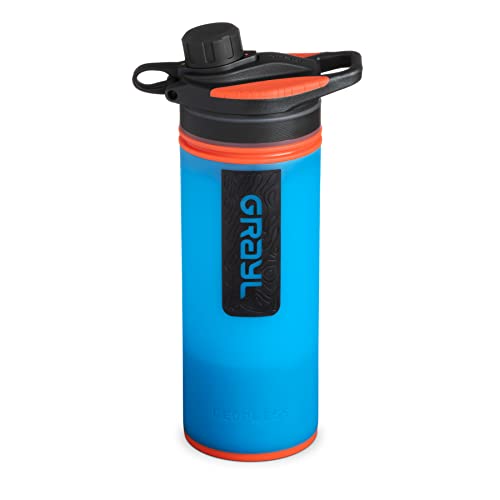
Make sketchy water clean and drinkable. Ideal for outdoor adventures (hiking, camping, backpacking, fishing, hunting, bushcraft), global travel, and survival situations. Simply – Fill. Press. Drink!
No More Plastic!
Reusable water bottles are a must for any trip. It helps us cut down on plastic in the world – and who doesn’t want to do that? I like the S’well bottles as they are insulated and keep cold and hot drinks at just the right temperature for hours!

Exclusive Therma-S’well Technology keeps beverages cold for 36 hours and hot for 18. Sleek and beautifully crafted.


First Aid and Over-the-Counter Meds
You’ll want to bring a standard Travel First Aid Kit to India. And you’ll want to make sure it’s stocked with Pepto Bismol, Imodium AD, and an antibiotic if possible. This should cover all of the typical tummy rumblings that India can cause.


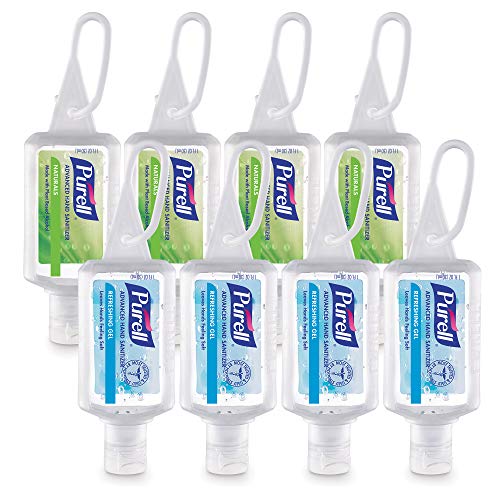
And don’t forget a few travel bottles of Purell. Most days, I felt like I wanted to shower in it – but keeping your hands clean is the main priority!
Packing Clothing for India
Clothing choices are important for India, especially if you are a female. I recommend light, loose-fitting clothing. You’ll definitely want to pack things that cover your knees and shoulders for the days when you visit temples. However, honestly, I would recommend wearing things that cover your shoulders and knees all the time, regardless. You’ll have enough eyes on you, and you don’t need to add any more if you can help it.
Modest clothing that is dry-fit, lightweight, and that you can wash out in the sink and dry overnight is ideal. I used flowy, long skirts, dri-fit hiking t-shirts, leggings, and big tunics most of the time.

Check out my complete list of essential hiking gear I recommend for all of the hikes I write about.
You’ll also want to bring a scarf/pashmina or plan on buying one there. It’s an essential item, great for covering up at temples and simply keeping yourself covered in a light way while walking around.
In an effort to pack light, I only took two pairs of shoes, my Chaco hiking sandals, and a pair of running shoes. The Chacos provided good footbed support for the immense amount of walking we did, but they were also cool for the hot temps. I also only took a couple of pairs of socks. I love the Point6 socks because they are wool, don’t hold odor, are super high quality, and they dry really fast.

These Z1 classics are my rest and recovery shoes for hiking. When you can't wait to get out of your hiking boots and into something cooler and more comfortable, I use my Chacos! These are also perfect for any kind of water adventure, like rafting or kayaking.

Merino wool socks are the way to travel! Wool is a great material for hiking; it dries fast, and the best part is that the odor diminishes, too! Perfect for people with sweaty feet like me! And trust me - I've worn these natural fiber socks for multiple days in a row hiking, and they pass the smell test every morning!
Don’t forget your compression socks for your long flight – it may save your life. I love Vim & Vigr Fashion compression socks, and you can get 15% off if you use SHERRY15


Compression socks are great for faster muscle recovery and to fight blood clots on long flights or long road trips.
PLUS - use discount code OTT15 for 15% off orders!
Other Travel Gear for India
Suitcase vs. Backpack
Depending on the type of travel you are doing, you’ll want to have a small, nimble luggage choice. We moved practically every day to a new town and hotel, which means that you are dragging your luggage around a lot. I think a backpack solution like this one at Eagle Creek Gear Warrior is the best choice. This pack opens like a suitcase, but travels like a backpack – the best of both worlds.

This is my go-to suitcase and luggage brand. I've been using the Gear Warrior for a decade now. Eagle Creek recently made it more eco friendly. It's made with 100% post-consumer recycled 600D polyester dobby with reinforced corners, impact-resistant handle, and heavy-duty treaded wheels. It can hold up to any abuse, and it has plenty of space for a longer term trip!
India isn’t the easiest place to roll luggage; the sidewalks are uneven (if there even are sidewalks!), and there are plenty of cows and stray dogs that you have to dodge. In addition, we often traveled in trains where you had to store your luggage above you, and backpacks are the easiest way to do that. However, if you have to take a rolling suitcase as I did, then I suggest that you pack small and light since you will likely be moving it daily.
Neck Pillow
We had long 24-hour flights to get to India, including a bunch of layover time. In addition, our Classic Rajasthan Tour had us on some long bus rides and train rides. All of this time riding transportation means you’ll want a neck pillow! I’ve tried a lot of neck pillows, but my favorites are those that take up a small amount of space. That’s why I love the Matador Inflatable pillow!
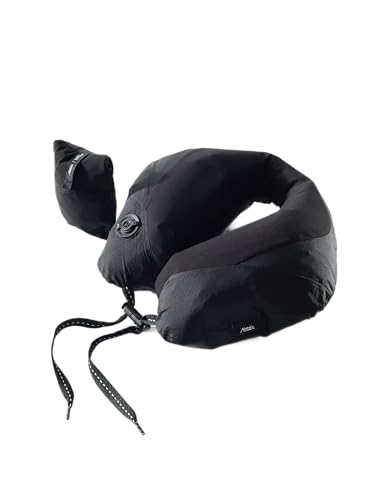
Eliminate the need to carry a bulky, traditional pillow!! At just 2.5 ounces, this compact neck pillow packs down to fit in the palm of your hand, disappearing into your bag until your next flight! It inflates in seconds with a quick-inflate valve and no leaks! A drawstring adjustment lets you customize the fit around your neck.
Snacks
You’ll always want some emergency snacks with you for those long bus rides, to stave off a ‘hangry’ episode, or simply when you get tired of curry in your food! And trust me – at some point during the trip, you will want to take a break from Indian food, so having a little snack supply is a lifesaver. We took fruit snacks, granola bars, and my favorite – Clif Bars.

CLIF BAR energy bars contain 9–11 grams of plant protein alongside fast-acting and longer-lasting carbohydrates, making them a perfect way to fuel up before or during long, moderate-intensity activities.
Laundry
If you are packing light, then expect to do a little sink laundry at some point. We did it a few times during our 15-day trip. Don’t forget some laundry soap – I love this highly concentrated camping soap; it’s small and powerful!
Earplugs
Horns, dogs, horns, traffic, construction, and of course, more horns; India is loud, really loud. If you are a light sleeper, then don’t forget the earplugs. These silicon earplugs are my favorite. I find that they block out more noise than regular foam ones.

Mack’s soft, moldable silicone putty molds very comfortably to the unique contours of any ear. These multi-use earplugs are great for sleeping, snoring, swimming, studying, bathing, traveling, loud events, concerts, flying discomfort, motorcycles, etc.
Power Strip
Most of the hotels we stayed in had one or maybe two plugs that worked. But of course, we had multiple things we needed to plug in and charge! I recommend taking a travel adapter for India where you can charge multiple devices at once.

All you need for travel anywhere in the world! It's small, lightweight, and can charge 5 items at once without the need to bring multiple wall chargers! Carry less and simplify your tech travel gear. I'm so impressed with this adapter - it really does do it all in a compact package.
· 70W Laptop-Level Charging, Real-Time Smart Display, Intelligent Overload Protection
Get 5% off your TESSAN order with promo code SHERRY
With this India packing list and tips, I feel confident that you are now all ready to take on India in the Monsoon season!
Shop for all of these items and more!
To see all of these items in the same place, just visit the Ottsworld Amazon store! You’ll find these products as well as all of the gear I recommend and use for travel.


Disclosure:
This post contains some affiliate links. If you choose to purchase items through these links, I will earn a small commission at no extra cost to you. These commissions help reduce the costs of running this site


The bug repellant clothing and lotions are an absolute necessity. It could quite literally save your life.
Absolutely!
I totally agree that if you come unprepared for the monsoon season in India, it could get a little difficult to adjust to the heavy rain and water logging which could literally be covering streets especially in cities like Mumbai. I believe you should have also included some emergency lights just in case as power is quite unreliable in India if you’re visiting some rural parts of it. As you have said, areas as such are exposed to immense heat after intermittent rainfall for which you may need a sunscreen with a decent spf.
Your photos look amazing. I would love to go here after reading your post. Thanks for some great tips on where to go
This was very helpful and informative. Thank you!
Glad it helped! Hope you have a great trip!