

The Ultimate Antarctica Packing List for Your Cruise
This article may contain affiliate links where I make a small commission for purchases you make from links that you click from this article. By purchasing through these links, you support me at no additional cost to you. Thanks for your support.
Packing for Antarctica isn’t what you think.
You’re heading to the coldest, most remote continent on earth, so naturally your instinct is to pack everything warm you own. Bulky sweaters, heavy jackets, maybe even things you’ve never actually worn before but suddenly feel essential (Ummm…been here, done that)
And yet, after traveling to Antarctica three times, I can tell you this: you don’t need more stuff—you need the right stuff.
Because Antarctica isn’t just cold—it’s wet, windy, blindingly bright, and constantly changing. One minute you’re bouncing across icy water in a Zodiac, trying not to fall in as you step into knee-deep cold water, and an hour later you’re back on the ship with a cup of tea, peeling off layers as fast as you can as if you are having a hot flash. Most Antarctica packing lists focus on surviving the cold, but the real challenge is packing for both the landings (outdoor) and the ship moments (indoor).
You’ll spend a surprising amount of time on the ship—watching icebergs drift by, attending lectures, waiting for weather windows, or just staring out the window in awe. That means your Antarctica packing list needs to work for both extreme outdoor conditions and comfortable indoor living.
This Antarctica packing guide is based on what I actually used (and didn’t use), along with everything I’ve learned from multiple expedition cruises—so you can pack smarter, lighter, and with a lot more confidence.

Table of Contents
Quick Antarctica Packing List
If you just want the essentials, here’s a quick overview of what to pack for Antarctica.
- Base layers
- Insulating layer
- Waterproof outer layer/Parka
- Waterproof boots
- Wool socks
- Waterproof glove system
- Hat and neck gaiter
- Sunglasses/goggles
- Waterproof daypack/dry bag
- Sunscreen/lip balm
- Seasickness medication
- Ship clothes and cabin extras
- Camera and camera protection
This is the foundation of any solid Antarctica packing list. Everything else is about refining it—not adding more.
What to Wear in Antarctica (It’s All About Layers)
The biggest misconception about an Antarctica packing list is that it’s about extreme cold gear. In reality, it’s about managing extremes. You’re constantly moving between cold outdoor conditions and warm indoor spaces, and your clothing needs to adapt quickly. For maximum warmth and versatility, use a three-layer system: a breathable, sweat-wicking base layer (like merino), a thick, insulating middle layer (like fleece, down, or wool), and a protective outer layer.
Base Layers: Your Foundation
Your base layer is where comfort starts. Cotton is your enemy—it traps moisture and makes you colder over time. Instead, I rely almost exclusively on merino wool or alpaca, which regulates temperature, wicks moisture, and can be worn repeatedly without smelling.
Pro Tip
You will re-wear your base layers more than you expect. Choose pieces that are high quality, comfortable, breathable, and odorless so you can easily wear multiple days.
Mid Layers: Your Warmth
Mid layers are all about insulation. Depending on your activity level and the weather, this could be fleece, down, or synthetic insulation. In Antarctica, I tend to rotate between a fleece and a lightweight puffy jacket. If I’m hiking or moving around a lot, I need less insulation. If I’m standing still watching wildlife, I layer up quickly. While hiking on my last trip to Antarctica, I started in full layers, and by the time I got to the top of the climb, I was down to my base layer t-shirt!
These mid-layer pieces also tend to double as your everyday clothing on the ship, so it’s worth choosing items that are versatile and comfortable enough to wear all day.
Outer Layers: Where You Don’t Cut Corners
Your outer layer is what protects you from the elements, and in Antarctica, that means wind and water just as much as cold. You’ll need waterproof (not water-resistant) pants and a fully windproof, waterproof parka. And don’t think you can ignore your bottom half – in fact, it may be even more important since you will be stepping out of the zodiac and directly into water as you do landings. Your pants need to be waterproof, too.
For pants, you have two options really – a light waterproof pair that just pulls on over your other well-insulated midlayer. I often use my waterproof hiking pants – but make sure the zippers are fully waterproof. Or you can use a pair of ski pants that are waterproof and insulated already.
Pro Tip
Check what your expedition ship provides before you pack. Many ships include waterproof boots and parkas, which can save you a lot of luggage space.


Gear I Use & Recommend (Outerwear & Layers)
The brands I use for layering are Smartwool, KUHL, Marmot, Outdoor Research, and PAKA. Check out REI and their great options for layering – they carry all of these brands!

Your base layer is where comfort starts. Cotton is your enemy—it traps moisture and makes you colder over time. Instead, I rely almost exclusively on merino wool or alpaca, which regulates temperature, wicks moisture, and can be worn repeatedly without smelling.
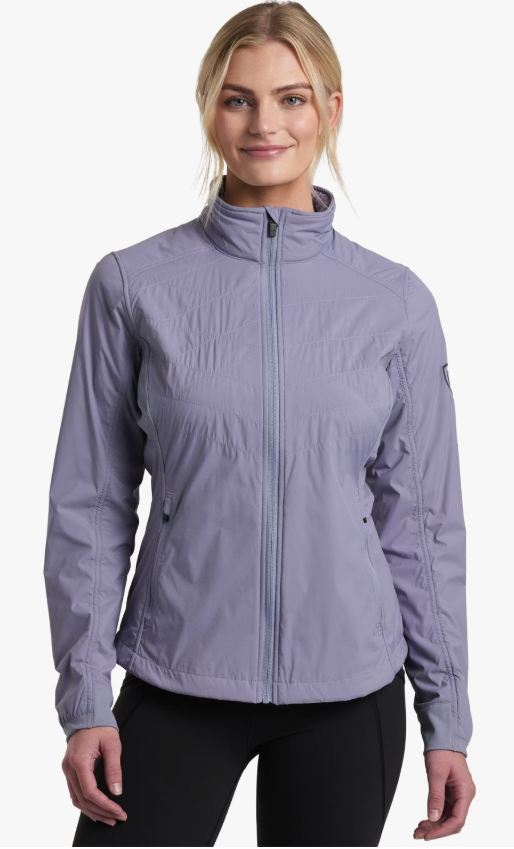
This mid-layer ticks all the boxes! Wind-resistant and warm yet highly breathable, the women's KUHL The One insulated jacket features temperature-regulating Aeroknit technology with MIKRO AIR™ fabric that stretches and repels water.

This is a perfect mid-layer! Enjoy soft, next-to-skin comfort in this KUHL hoodie. Its high-tech, graphene-infused yarns retain or expel heat as your body demands. It offers layering performance at a low weight, with great breathability, temperature regulation, and built-in odor resistance.

The ultimate down parka for the coldest weather. I love this coat with 700+ fill to keep you toasty warm. It's made of Gore-Tex, which means it's waterproof and windproof. However, the best thing about this coat is all of the pockets!
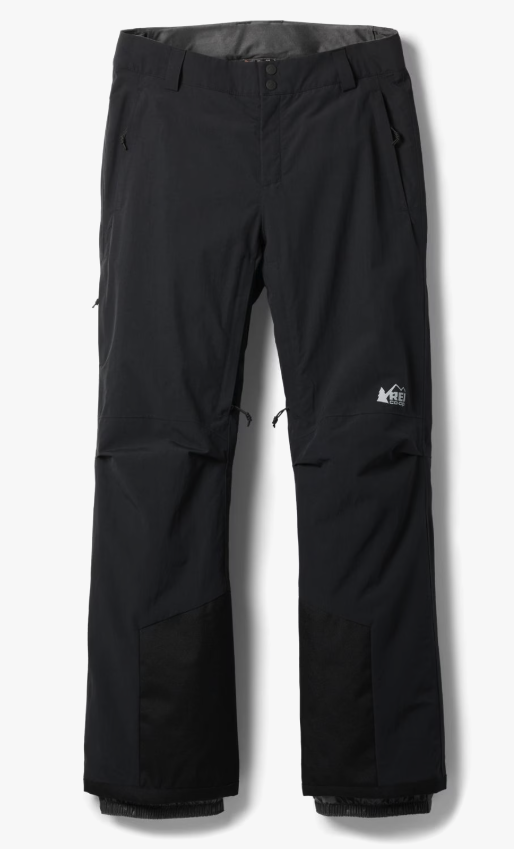
REI Co-op Powderbound insulated snow pants give you 2-layer Peak waterproof/breathable and windproof protection along with synthetic insulation. A great option for cold weather expedition cruising.
Boots, Socks, Gloves, Hats, and the Reality of Wet Landings
Getting in and out of a Zodiac is not always graceful – I’ve seen plenty of people get swept up into a wave and end up fully submerged in the water while simply trying to get out of the Zodiac. Sometimes it’s calm and easy, and other times you’re timing your step between waves, trying not to misjudge your footing. That’s why waterproof boots (and waterproof everything!) are essential—and why most ships provide them.
Boots for Antarctica
I’ve found that the best boots to bring for landings are ‘Wellies’. Wellington boots (often called gumboots, rubber boots, or rain boots) are waterproof boots typically made from rubber or PVC, designed to keep feet dry and warm in wet, muddy, or rainy conditions. Often, when you are getting out of a Zodiac raft and onto shore, you will have to step in water that can be ankle-deep. Plus, you will want to look for ones that are well insulated and have a good bottom grip.
In addition, the boots should be comfortable. Oftentimes, you do longer hikes in these boots, so make sure they fit well! I’ve hiked miles in the ship-provided wellies before!
Pro Tip
If the ship is providing the boots, then bring a set of arch support inserts to help with the fit. You spend a lot of time in the boots when on landings, and you want to be as comfortable as possible.


Compression socks for travel: what, why, and how
Socks for Antarctica
Socks matter more than people expect. I relied heavily on thick wool socks, sometimes layering them, especially when the provided boots weren’t insulated. I suggest a liner sock and then bulky wool socks to keep warm in the boots. If the ship provides boots, find out if they are insulated or not. Ours were not insulated, and the wool socks were my main insulation – I used tall ski Smartwool socks under my Wellies. Take multiple pairs in case they don’t have time to dry out between zodiac outings.
Another option for warmth is heated socks. Heated garment technology has come a long way fast. The batteries are easily rechargeable, they warm up fast, and they last about 10 hours. The ones I use have a phone app that you use to control the heat level and can see the battery life!
Pro Tip
Bring more socks than you think you need. Drying them in your cabin can take longer than expected, especially on consecutive landing days.
Gloves for Antarctica
There are lots of options for keeping your hands warm and dry while on Antarctica Landings. From regular gloves to heated gloves to hand warmer muffs! You want to treat your hands the same way as you do your body…use layers!
Let’s start with the base layers – these need to be breathable fabric, and it’s really nice if they also have touchscreen fingertips – that way you don’t always have to take them off for photos, etc.
A warm, windproof/waterproof glove over that is necessary! Here you have many options – you can do just a regular glove, a heated glove, or even a heated muff (my personal favorite!). Or you may opt for electric rechargeable hand warmers to carry in your pockets for extra warmth.
Gloves can be expensive – so if you want a simple (easier on the budget aprox. $20!), great waterproof glove, I’ve got an answer for that too. The Toolant work glove is a great option. These work gloves are crafted with a double layer of fully dipped latex to ensure 100% waterproofing, keeping your hands dry in wet and cold conditions. Plus, they have a great grip, which is important in cold conditions, and they even have touch screen capability! Just make sure you have a good base layer to wear under them, as they don’t provide much insulation.
Neck Gaiter and Hats
I also highly recommend a neck gaiter as opposed to a scarf. They are easier to put on and don’t have dangling ends that are annoying and bulky under your already bulky layers. I like Turtle Fur winter neck gaiters because they are soft on the inside against your skin! I often wore my neck gaiter around the ship, too, for a little extra warmth with my midlayers.
Hats are personal to everyone – I loved my PAKA warm but thin hat that I could wear under my heavier parka hood. And if I really wanted to be warm, I wore my Nepal wool hat…that hat is a workhorse! Turtlefur also has a number of hats you can check out.

Check out my winter packing list for extreme temperatures
Gear I Use & Recommend (Boots, Socks, Gloves)

This is the perfect boot for Antarctica expeditions and landings! They are 100% waterproof with a bioDEWIX dry footbed insert, top cover with NZYM for odor control and moisture management. A lightweight EVA midsole provides for all-day comfort and support. Pull tab for easy on/off.
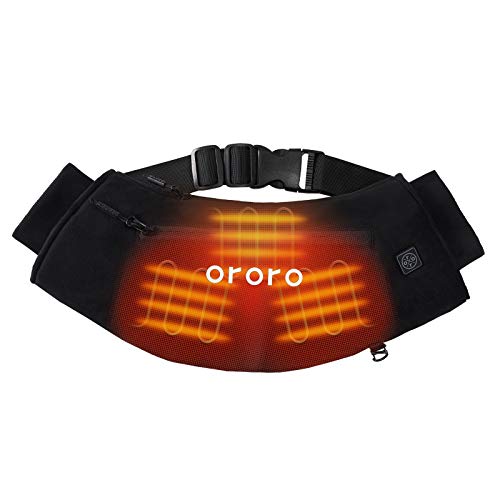
This is it...I finally found the best solution for keeping my hands warm in extreme cold environments! I use it primarily for doing photography in the winter - it's better than any other gloves I've tried before. The inside is lined with warm fur, and the heat settings are incredible. It also has a little zip pocket where you can keep your phone and camera batteries warm. The muff's battery life is good for staying out for hours waiting for the aurora!

These are perfect for Antarctica travels. They will keep you dry and warm when riding the zodiacs. Most expeditions companies require waterproof gear and these are perfect and low cost. They even work with phone screens and have great grip!

Out of all of the heated products out there, I find these merino wool socks work the best. Heat between the toes radiates around your foot, providing up to 11 hours of heat. Use the mobile app to effortlessly manage heat level and see battery life. The contoured battery fits your calf snugly.
The Complete Antarctica Packing List for Shore Landings
This is the gear you’ll use every time you leave the ship, and it’s where practical choices matter most.
A waterproof backpack or dry bag is one of the most important items you can bring for landings. Mine was always filled with camera equipment, sunscreen, a hat, and hand-warmers! However, since Zodiac landings can be wet, you want to make sure that your backpack is waterproof. I have seen people drop their camera in the water or their backpack in the water when it was a rough landing. Better be safe than sorry – use a dry bag or SealLine dry backpack! The 18L was big enough to fit my camera and a couple of lenses.
I also recommend having a way to secure your phone. I love my cross-body strap that ensures I won’t accidentally drop my phone overboard!
Hiking poles are optional, but I found them helpful on uneven, rocky terrain where balance matters more than strength.

And then there’s the sun—something people rarely expect. The reflection off the snow and water can be intense, and sunburn happens quickly if you’re not prepared. In addition, sunglasses are a must for landings! Or consider going the ultimate route, ski goggles, which are really super for sun protection and for the windy days, of which there are many in Eastern Antarctica. Goggles provide more face protection, too, and that’s always a bonus!
Gear I Use & Recommend (Landing Gear)

Waterproof gear bag that is perfect for riding on zodiacs, and carrying gear at landings. 30L is enough to carry a Mirrorless camera, and multiple lenses, plus extra layers.

This is a travel game changer - never be in fear of dropping your phone again. I find this especially great for adventure travel like expedition cruising, where I find myself frequently taking pictures in high-risk-of-drop situations. It's easy to adjust, durable with metal rings and clasps, and has no messy hanging ends.
I can help you with your Antarctica planning – I’ve been there multiple times to many regions and with different cruise lines.
After two decades of wandering the globe, living nomadically, and sharing my stories on Ottsworld, I’ve learned one thing: travel isn’t just about the destinations—it’s about the transformation it brings.
What to Pack for Antarctica Cruise Ship Life
This is the part most Antarctica packing lists overlook, and it’s where I see people either overpack or forget things entirely. Life on an expedition ship is casual, comfortable, and full of unexpected moments.
You’ll spend time attending lectures, watching wildlife from the deck, chatting with fellow travelers, or simply taking in the landscape. It’s not formal—it’s functional and relaxed.
What You’ll Actually Wear on the Ship
Comfort is key. Leggings, joggers, base layers, and fleece pullovers quickly become your daily uniform. You don’t need fancy outfits, and in fact, they’ll likely stay in your bag untouched.
At the same time, you’ll want to be ready to head outside quickly. Wildlife sightings don’t wait, and some of the best moments happen spontaneously.


The Little Things That Make a Big Difference
Ship life has its own rhythm. Cabins are small, things don’t dry easily, and you’ll be charging multiple devices regularly. This is where small items become surprisingly valuable—like a power strip, a way to wash and dry clothes, or an eye mask to deal with the midnight sun.
On longer trips, I found myself hand-washing clothes regularly and stringing up makeshift drying lines around the cabin. It’s not glamorous—but it works.
Phone Strap
This cross-body phone strap is a lifesaver! No longer do I have to worry about losing my phone or misplacing is somewhere on the ship. PLUS – this is perfect for the ship because you always need to be walking around the ship with free hands. Having my phone tethered to me let me have my hands free for navigating the moving ship! I used this on and off the ship. In zodiacs, it was a way I could ensure that I wouldn’t drop my phone in the water when trying to film a leopard seal! This was probably the piece of gear I used the most!
Bird/Wildlife Watching Reference
The ships normally have this type of reference material, but if you want to take notes or have complete access to a bird guide all the time, then bring this one!
Binoculars
I didn’t have any, and I wish I did. I normally just used my telephoto lens as my way to get a closer view, but a good pair of binoculars would have been a real help.
Power Strip
If you have a lot of stuff to plug in and charge (heated socks, mittens, coat, phone, camera, hand warmers, and more), then you’ll want to bring a power strip so that you can charge multiple items at once. And there’s only one charger I trust that has that type of power…the TESSAN travel charger and adapter.
Pro Tip
Contact your cruise company to find out what the travel outlets on the ship are and make sure you have a travel adapter if you need it!
Laundry Gear
Most ships do offer laundry service; however, it’s pretty expensive. So if you just have a few things you want to wash out – like socks, underwear, a baselayer – and it’s not too bulky, then I recommend using the Scrubba. I LOVE this travel item as it’s a lifesaver for travel.
Now that you’ve done a little Scrubba laundry, you have to have a place to hang it! Each ship is different – but it is nice to be able to string up a clothesline in your cabin and let clothes dry from your landings or from any handwashing you do in the sink.
On my month-long Eastern Antarctica expedition, I had to hand-wash things all the time in my room, so it was great to be able to dry them easily as well. Don’t forget a little bag of laundry powder, too, if you are planning to do sink washing!

Magnetic Hooks For Organizing Your Cabin
There are never enough hooks in a cabin. Most cabin walls are made out of metal, so using a heavy-duty magnetic hook is a great solution to give you more cabin organization! You always need to dry and hang your gloves, towels,
Eye Cover for Sleeping
Remember, you’ll be in the land of midnight sun, and that means it’s hard to sleep since the sun never really sets. Bring along a good eye cover for sleeping
Slippers (Heavy Duty)
Having comfortable, warm slip-on shoes while on the ship is great. I take my KEEN wool slipper/shoes. They have a hard bottom with grip – that way I can wear them for lounging around on the ship and also run outside in them for a quick wildlife sighting if need be!
Travel Coffee/Tea Mug
Almost all ships have an endless supply of coffee and tea. However, they also have traditional coffee mugs, which can be hard to carry on a moving ship with coffee sloshing around. Plus, it just doesn’t stay as warm. That’s why I bring an insulated coffee/tea container that has a lid. It’s just nice to have one of these along so you can have hot beverages that are easy to carry. You can even take it out on deck and enjoy the view of an iceberg with a cup of Joe!
Water Bottle
For shore excursions, it’s great to have a reusable water bottle. It was especially important for my Eastern Antarctica trip since we were often on land for 3 to 4 hours at a time, thanks to our small ship numbers and the lack of other tourist boats there.
Tote Bag or Sling Bag
It’s really great to be able to get out of your cabin and go to other parts of the ship. I suggest you bring a little nylon bag or a medium sling bag so that you can pack some necessities in it as you traverse the ship. And most importantly, packing your book, phone, and headphones in my sling bag allowed me to keep my hands free in case the ship pitches. You always want to have a hand free when you walk around the ship!
Entertainment (Digital and Non-Digital)
You will have a fair bit of free time on the ship as you make the journey, so bring things to do. Books, videos, movies, and podcasts are great for entertainment. But don’t forget it’s also nice to unplug and have some other hobbies too, such as knitting, painting, writing, etc.
Check out some great Antarctica reads before your trip!
|
|
|
|
|


Gear I Use & Recommend (Ship Life)

This international plug adaptor has USB-C and USB-A charging ports. Charge up to 5 items at the same time! With a lightweight design and compact size, this travel plug adapter can easily fit in your pocket, effectively saving space in your suitcase, backpack, briefcases, and handbag. No surge protection, no cords, making it a cruise ship essential.
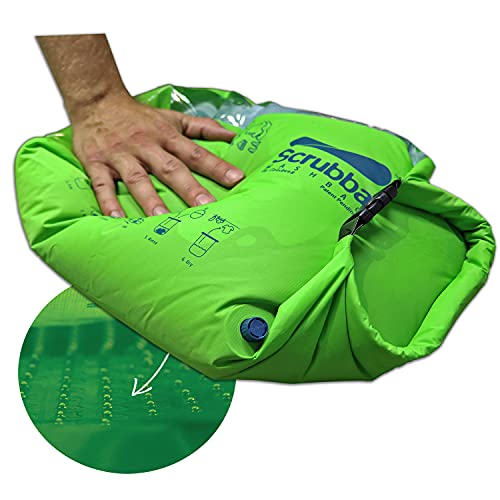
This hand 'washing machine' for hotel and travel means I never have to do sink laundry again! This large bag has solved so many travel problems for me. The bumps inside the bag provides a wash board effect and cleans your clothing better than you ever could by hand. Plus - the bag doubles as a dry bag! If you are a sink laundry traveler - you must try the Scrubba!

Great for indoor/outdoor use and perfect for expedition cruising. Comfortable, warm, and sturdy enough to wear outside on deck!

Heavy duty hooks that attach to cabin walls. Holds up to 30 lbs! I used them to store my mittens and hats!
And Yes…Bring a Swimsuit
Yes, you read that right. Many of the expedition ships have a sauna or hot tub you might want to use. But the main reason to take a swimsuit is to take a polar plunge! Are you brave enough?

Antarctica Packing Tips From Experience
After three trips—including crossing both the Drake Passage and the Southern Ocean—here’s what I’ve learned.
You will re-wear clothes more than you expect, and you’ll quickly realize that you don’t need nearly as much as you packed.
Make sure you have extra passport pages for stamps! Most of the research stations the ships stop at will stamp your passport with a special Antarctica stamp!
Bring Cash! Yes, you can shop in Antarctica! The ships normally stop at various simple research stations along the peninsula, and most of the stations sell Antarctica memorabilia. You’ll find hats, postcards, patches, wine, mittens, and even vodka!
Drying gear becomes a daily challenge, so bring things that make hanging them easy.
Pro Tip
Keep your most-used items easily accessible as you traverse the ship. This is why I take a little tote bag or sling bag and carry it with me at all times. When something happens—a whale sighting, perfect light, or a close iceberg —you won’t have time to run back to your cabin to get what you need.
What NOT to Pack for Antarctica
After watching what people actually use (and don’t use), this might be the most valuable part of this Antarctica packing list.
It’s not as cold as you think. Sure, there can be cold days – but you don’t need to pack like you are camping in Antarctica (unless of course you are camping in Antarctica!). The temperatures in and around Antarctica vary. The peninsula ranges between 20 and 40 degrees F, while Eastern Antarctica is more like 0 to 32 degrees F.
You don’t need a huge wardrobe. Jeans are impractical because they don’t dry well, bulky sweaters take up too much space, and fancy outfits simply won’t get worn on an expedition ship. Most importantly, anything that isn’t waterproof is a liability in this environment.
Items with lots of Velcro – Try to avoid items with a lot of Velcro. I know that sounds weird – but there’s a good reason for this. The small hooks on Velcro can easily trap seeds, dirt, and other organic material from your clothing, potentially introducing invasive non-native species to the continent’s delicate ecosystem, which is strictly protected against such contamination; therefore, all gear, including Velcro, must be thoroughly cleaned before entering Antarctica to prevent environmental damage.
Antarctica Packing List for Photographers
If photography is part of your trip (and it SHOULD BE!!), your packing list needs a few adjustments. Antarctica offers incredible light and wildlife, but the conditions can be tough on expensive photography equipment.
Rain and Snowgear For Your Camera
Just as you waterproof your clothes, you’ll want to protect your camera too. I prefer LensCoat gear for situations like this. I use a simple raincoat from LensCoat to protect my camera and lens setup. This is great for this type of outdoor shooting when the weather quickly changes.
Plus, you can also get LensCoat Lenscovers that will protect your lenses and tripods from weather and, most importantly, saltwater spray. These neoprene covers are made specifically for various lenses from all major brands and easily slip right onto your lens. In addition to protecting your gear, it’s also nice because it helps you grip your cold equipment.

Pro Tip
Don’t have a telephoto lens for those penguin and whale close-ups? Then consider renting a lens before you go! Places like BorrowLenses.com allow you to rent by the week.
Extra Everything
Cold temperatures drain batteries quickly, so bring extras and keep them warm in your pockets by adding heated hand warmers. Also, bring extra SIM cards…you can never have enough in Antarctica!

Check out this list of my favorite travel photography gear
Camera Carrier
A hands-free carrying system is absolutely necessary when traversing the ship and especially during Zodiac rides and uneven landings, where balance is key. I use my Cotton Carrier Harness to carry my camera on landings, the zodiac, and around the ship. I wore this thing everywhere!
Not only does it allow you to be hands-free, but it also helps distribute the weight evenly across your shoulders and back when you are carrying heavy camera equipment. This is a lifesaver for any photographer in Antarctica!
Pro Tip
Internet access is limited and expensive on an expedition ship. This means relying on cloud storage really isn’t possible as you travel to the bottom of the world! Be sure to bring a way to back up your photos offline. I use this small SanDisk external solid-state drive to back up daily. You can get a lot of storage (for all of those photos and videos) in a small package!
Gear I Use & Recommend (Photography)

Don't let the weather stop your photography! This innovative cover provides protection for your camera and lens from the elements like rain, snow, salt spray, dirt, sand and dust while allowing you easy access to the camera and lens controls. Get 10% off with promo code SHERRYOTT

LensCoat® lens covers offers your valuable equipment some protection from scrapes and bumps, preserving its resale value. It also help break up the shape of your lens, making it less noticeable to wildlife. Get 10% off with promo code SHERRYOTT
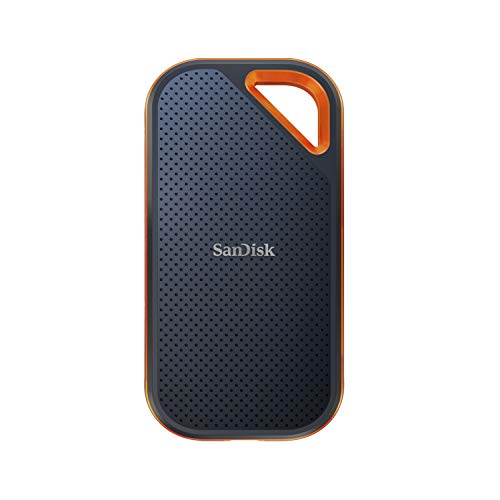
This small, lightweight external storage is easy to take traveling. Up to 3-meter drop protection and IP65 water and dust resistance, and a handy carabiner loop for attaching to your belt or backpack. A forged aluminum chassis acts as a heatsink to deliver higher sustained speeds in a portable drive that’s tough enough to take on any adventure.
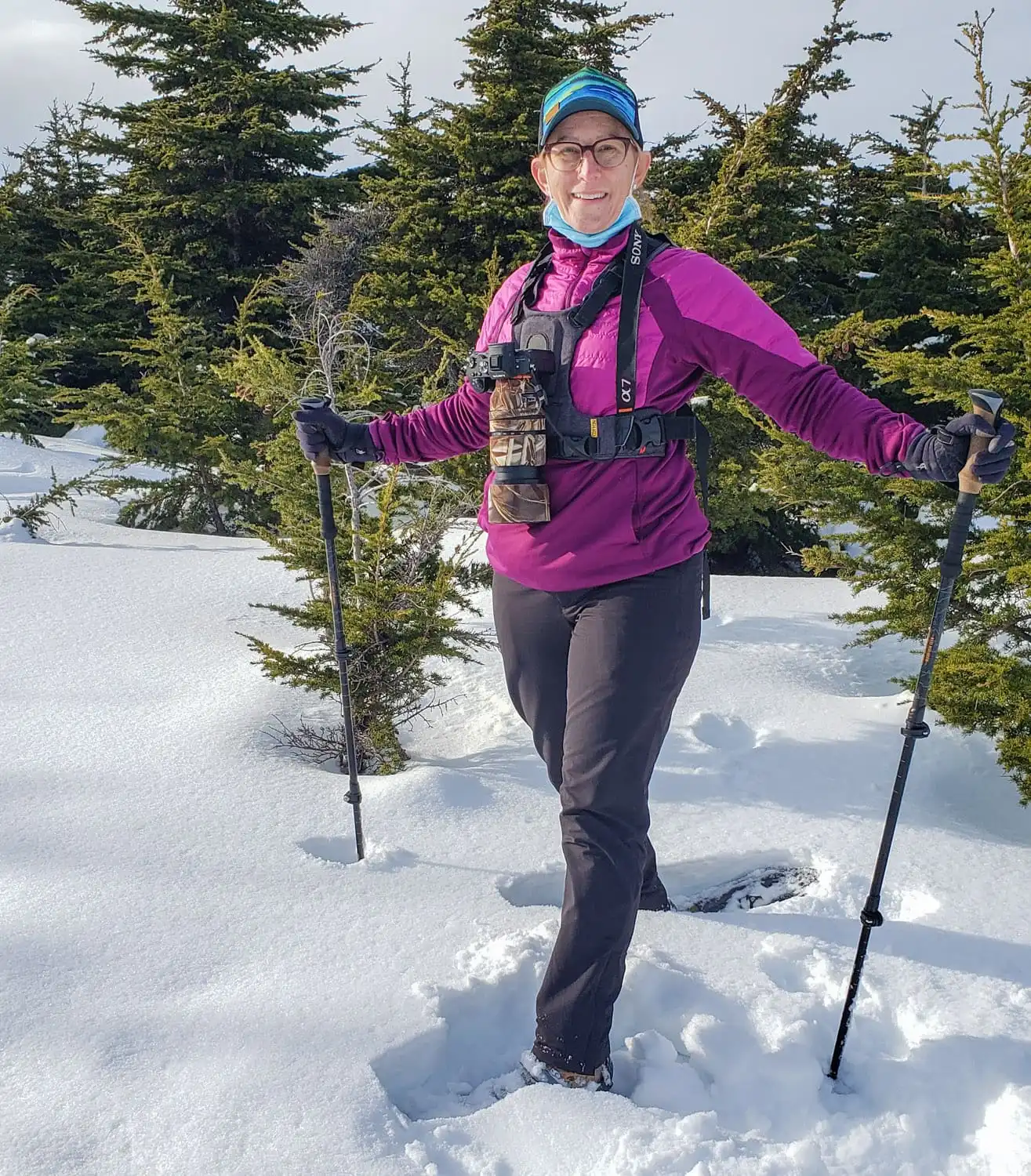
I don't go on a trip without this harness! It allows me to be hands-free when hiking and snowshoeing. I've also used it while horseback riding. It has saved my neck and back, and it's a secure, healthy way to carry my camera!
10% off coupon code for readers - OTTSWORLD
Medications and Travel Essentials for Antarctica
If there’s one thing to plan for, it’s seasickness. The Drake Passage and Southern Ocean are known for rough conditions, and even experienced travelers can feel it.
Read my complete article about Antarctica Cruise Motion Sickness: Remedies to Help Survive the Drake Passage – and learn what worked and didn’t work for me
After three Antarctica expeditions and a lot of trial and error, I learned that managing my seasickness was less about finding one magic fix and more about having options and adjusting quickly. Bring what works for you—and consider bringing multiple options. What works one day may not work the next.
Beyond that, make sure you have travel insurance with evacuation coverage, bring any necessary medications, and leave space in your passport for a few unique stamps. Some research stations even have small shops where you can pick up souvenirs.
Pro Tip
Be sure to talk to your doctor before you go and take seasickness meds or patches – different things work for different people, so my advice is to take more than one. Most ships also provide this, too, if you forget yours.
Final Thoughts on Packing for Antarctica
Packing for Antarctica isn’t about preparing for the coldest place on earth—it’s about preparing for a place that is constantly changing.
You’ll move between wind and stillness, activity and waiting, extremes and comfort. The key is to pack for flexibility, not excess.
Once you’re there, your packing list fades into the background. What stays with you are the moments—the silence, the wildlife, and the feeling of being somewhere truly wild. I have always said that Antarctica is like traveling to another planet!
You’re all set to visit this magical remote land! Stay warm and Bon Voyage!


A hiking pole is great too for something to hang on to while you try to ease your foot, along with your boot, out of the very sucky mud/pelican poo gumbo between the rocks and on some trails.
SO TRUE!! I actually was just looking at some video footage of me walking through muck in my boots…
My parents had an exciting trip to the Antarctic – their ship crashed into an iceberg and they had to be rescued! As part of their package they were given fabulous water/windproof coats. The coats are fantastic reminders of their adventure but total overkill for Australia! 😉 Thanks for the packing insight. I can’t wait to get to Antarctica myself. Mel
Wow – what an Adventure! They really crashed into an iceberg?!! Crazy. Did they go from Australia/New Zealand or South America?
Great post, Antarctica is an awesome place and have so many good things to enjoy. i really like its beauty and you shared amazing packing list of that place.
My Antarctica trip is still years away and this guide was fascinating to read because at this point I know almost nothing other than: I want to go. I didn’t expect to hear about rain! And I had no idea I could get a raincoat for my camera. Thanks for this list!
Erin – you have so much to look forward to! The rain was mainly in the Subantarctic Islands which is further north. If you go to the peninsula from South America then you probably won’t have that issue. But rain pants are required regardless as you will have wet landings. And honestly a waterproof coat is great for the Zodiacs. Let me know if I can be of any help!
Amazing photography Sherry! I’m a fan 🙂 Antartica is on my list but still years away. I’ll definitely use this article as a resource when the time comes.
Hi, Sherry,
Great meeting you on TripAdvisor, and getting to hear some more about the Spirit of Enderby. I noticed that your next trip is to Norway. Have you been there yet? We’ve done a couple of trips to Norway – the first to hike above the fjords, centered in the most incredible botique hotel not too far from Trollsteigen, and the second to spend 10 days exploring the Lofoten Islands. If you haven’t read it, I suggest a book called Summer LIght, a walk through Norway, which gives a true view of being Norwegian and living Norwegian.
cheers
dick troop
[email protected]
Hey Dick – thanks for stopping by! And thanks for the book tip for Norway. This will be my first trip there and I”m really excited. I’ll be in Oslo for a couple of days and then up to Fjordland – however now as far north as Lofoten Islands. However I do believe I’ll be near Trollsteigen. Still working out itinerary. But it’ll be a driving trip – I can’t wait! Let me know if I can be of any help on the Antarctica stuff – you’ll have a wonderful time!!
Mange takk, Sherry [do you have time to learn to speak a little Norsk? The transliterations don’t work at all.]. On our first trip, we flew into Oslo, took the train from the airport into town (the best way to go), and flew the next day to Ålesund, where we rented a car. It’s very easy to drive in Norway, but you do need to pay attention to the ferry schedules as you make your way around. The first place we stayed was the Juvet Landscape Hotel (google it), which was the site used for the movie Ex Machina — spectacular. Our host furnished us with topo’s that we used for our hikes. Then we drove to the Hotel Union Oye, and did some great hikes and side trips around there. I’ll see if my album from that trip is still available online
cheers
dick
I do have my photo album of the trip. If you email me your email address (to [email protected]) I can send you a link to it.
d