

What to Expect on an Antarctic Cruise: Life On Board the Ship
This article may contain affiliate links where I make a small commission for purchases you make from links that you click from this article. By purchasing through these links, you support me at no additional cost to you. Thanks for your support.
If you’re planning an Antarctic cruise, you’re probably wondering what it’s actually like day to day. Beyond the wildlife and icebergs, expedition cruising comes with rough seas, physical Zodiac landings, and unpredictable itineraries.
It’s not a typical cruise, and knowing what to expect can make a huge difference in how you prepare and how much you enjoy the experience.
I’ve been to Antarctica three times on very different expedition cruises. One route crossed the Drake Passage to the Peninsula on a larger ship – the MS Expedition from G Adventures (they now have a newer ship called the Expedition). The second was a much longer journey from New Zealand across the Southern Ocean to the Ross Sea on a smaller, more basic ship – the Spirit of Enderby.
The third trip was on Oceanwide’s Plancius ship from Argentina to the Falklands, to South Georgia, to the Peninsula. While the ships and routes were different, the core experience of life on an Antarctic cruise was surprisingly consistent.

Table of Contents
Three Distinct Antarctic Cruise Experiences
I’ve visited Antarctica three times on very different expedition cruises. Here’s a quick comparison of the two ships before we dive into what the two routes had in common.
| Feature | MS Expedition | Spirit of Enderby | Plancius |
|---|---|---|---|
| Route | Drake Passage | Ross Sea | South Georgia, Drake Passage |
| Passengers | 128 | 50 | 108 |
| Bathrooms | Private | Some shared | Private |
| Exercise Room | Yes | No | No |
| Kayaking | Yes | No | Yes |
| Dining Style | Larger cruise atmosphere | Smaller research vessel atmosphere | Smaller Expedition ship Atmosphere |
Want the full comparison? Read my detailed review of both ships in my Antarctica travel overview post.
What You Can Realistically Expect on an Antarctic Cruise
Most people want to know everything they can before they take a trip like this; they want to be prepared. And even though the expedition to Antarctica is completely unpredictable due to weather, there are a few things that are predictable about this type of expedition cruise.
Based on my experiences, here are a few things I can confidently tell you to expect to experience while cruising to Antarctica. Some of these are true of all routes (Drake Passage, Ross Sea, or South Georgia), and some are particular to the Ross Sea route.
TLDR: What to Expect on an Antarctic Cruise
- You will get seasick at some point
- Zodiac landings are physically demanding
- You won’t follow the exact itinerary
- Food is surprisingly excellent
- You’ll be busy all day
- Lots of socializing and limited alone time
Expectation vs Reality
As a first-time cruiser in 2012, I went in not really knowing what to expect, but it didn’t take long to settle into the rhythm of expedition life. The days were full, the conditions were unpredictable, and the experience was far more active and immersive than I ever imagined. I couldn’t imagine a better way to travel for me!
Here’s a quick look at how expectations often compare to reality on an Antarctic expedition cruise.
| Expectation | Reality |
|---|---|
| Luxury cruise | Expedition-focused adventure |
| Smooth sailing | Rough seas are common |
| Fixed itinerary | Weather changes plans |
| Constant sightseeing | Plenty of time at sea |
| Crowded wildlife viewing | Surprisingly close encounters |
Seasickness and the Drake Passage
Whether it’s the Drake Passage or the Southern Ocean, it’s probably inevitable that you’ll get seasick on the way to Antarctica. However, most everyone “finds their sea legs” after a few days.
Plus, not every day is rough. You’ll have calm times, and once you actually reach Antarctica, everything calms down significantly. I’ve got some handy cruise seasickness tips and remedies for you that I learned the hard way.
Whatever you do, don’t let the seasickness deter you. I was seasick on all of the trips I took to Antarctica! But I believe Antarctica is SO WORTH IT – that I can endure a day or two of feeling uncomfortable to get to one of the coolest places on this globe!

You Won’t Make It to Every Stop On the Itinerary
The Antarctic is unpredictable, and so are the itineraries. This is probably the biggest reset of expectations you have to do if you go on this trip. You will likely not see everything that is mentioned on the itinerary, but that’s okay. It’s more about the journey. This is especially true of the Ross Sea route.
Nature, like wildlife, is unpredictable. We don’t have control over what decides to show up, or what storms are crossing the ocean. Personally – this is what I love about expedition cruising – not everything is perfect. It’s often the unexpected moments that become the most memorable and impactful.
I talked to Rodney, the founder of Heritage Expeditions, and he confirmed that managing people’s itinerary expectations is one of the biggest challenges. Here’s what he had to say.
“People see what we see on past expeditions on our website and trip logs, etc – but we can’t repeat that, and so then we have to manage those expectations. If it was repeatable and predictable then I wouldn’t be here… and everyone else would be here.” – Rodney
I agree with him 100%. I don’t want a reproducible vacation; I want an expedition – a journey to the unknown. If you are looking for a cookie-cutter vacation, then head to Disney World or Italy. Or perhaps a shorter expedition cruise to New Zealand’s subantarctic islands.

On my trip through the Southern Ocean to the Ross Sea, we actually didn’t make it to one of the big itinerary draws, the McMurdo Sound. There were miles of ice that made it impossible to get into the sound to see the historic huts. Sure, it was disappointing; however, we were able to see many other places that we weren’t expecting, like Coulman Island and the Balleny Islands, and we were able to spend more time on Inexpressible Island.
It’s a tradeoff, and either way, you get to experience an Antarctica that few people see.


Balleny Islands
You Will Be at the Mercy of the Expedition Leader
Any time you travel with a group, you give up control. And when you’re on a ship traveling to a remote part of the world, you give up even more. So, be prepared to be flexible and have faith.
Your expedition leader works together with the captain of the ship, who calls the shots on where, when, and how the stops are made based on their expertise. On my trip with Heritage Expeditions, our expedition leader, Rodney, had been coming to Eastern Antarctica for 25 years; he knows it better than anyone (truly anyone). You have to put your trust in him to make the right decisions for landings and safety.
Weather Conditions Will Be Wet and Cold
You will absolutely, without a doubt, get wet, and so will all of your stuff. Bring rainproof everything.
It’s Antarctica, folks, so yes, it’s cold. However, it’s probably not as cold as you think it will be since it is the austral summer. The zodiac rides are really the coldest part, typically. Our coldest morning temperature was 28F. That’s not too bad, and most of the time I didn’t even wear gloves!
However, once the wind starts to blow, it’s cold. The weather changes fast, and on the days when we had storms or big winds, it was quite cold. But even on shore, you can normally find some respite from the wind.


Check out my winter packing list for extreme temperatures
Antarctica Cruise Experience: Cabins and Ship Comfort
Cabins and overall ship comfort can vary quite a bit depending on the size and style of the expedition ship, but most Antarctic cruises prioritize function over luxury.
On larger ships like the G Adventures’ Expedition, cabins can feel more like a traditional cruise experience, with private bathrooms, sitting areas, and daily cleaning service. There are also multiple shared spaces like lounges, libraries, and viewing decks where you can relax between activities.
On smaller expedition ships, like the Spirit of Enderby or the Plancius, things are much more basic. Cabins are simple and practical, but still comfortable enough for the amount of time you actually spend in them. There’s only 1 bar or lounge area, and one dining area. These ships were often originally built for research, so they are designed for durability rather than luxury.
No matter which type of ship you’re on, you’ll likely find that your cabin becomes more of a place to sleep and recharge than somewhere you spend a lot of time. Between landings, lectures, meals, and time on deck, most of your day is spent experiencing Antarctica rather than relaxing in your room.
So if you read between the lines a bit – I suggest you don’t choose a cruise based on the cabin – they are all the same and you don’t spend much time there. Choose a cruise ship for the route, the staff/experts, and the number of passengers – but don’t choose it for the cabins.
If you’re interested in learning more, I wrote detailed descriptions of the cabins I stayed in on two different Antarctic cruises – the Expedition and the Spirit of Enderby.
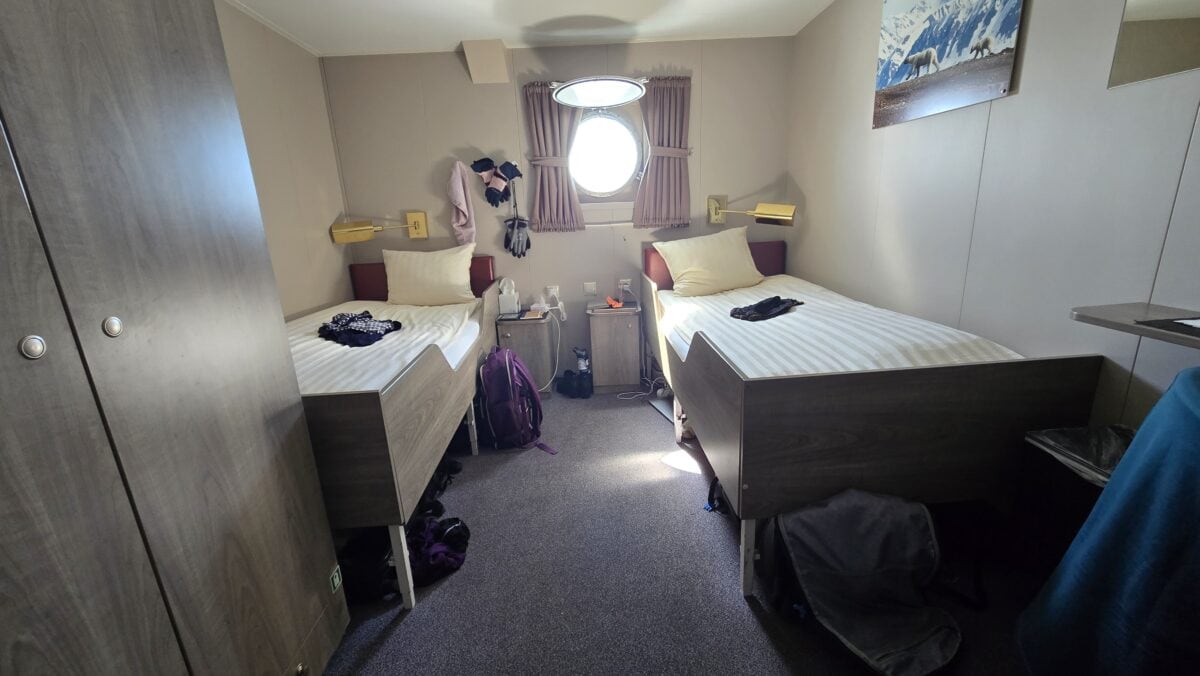 Plancius Cabin
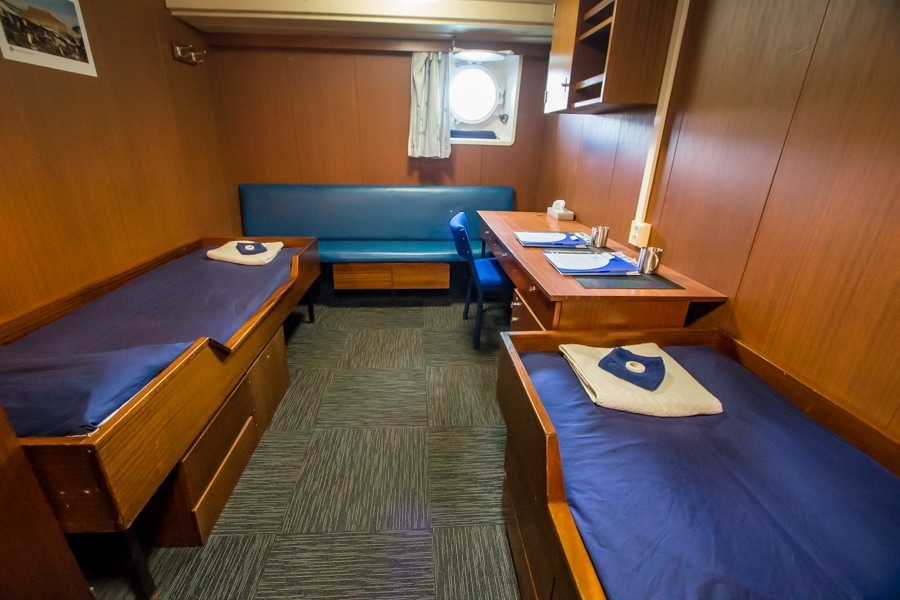 Spirit of Enderby Cabin
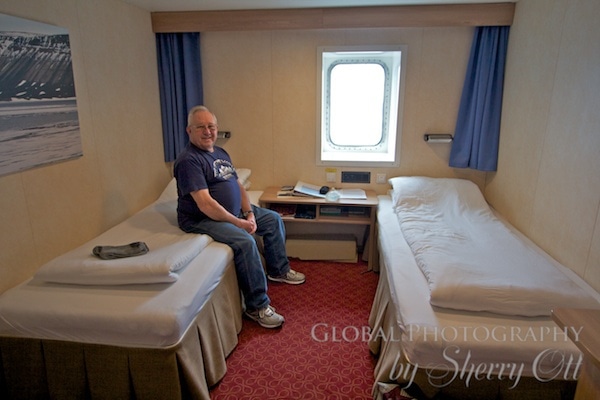 Expedition Cabin


Internet and Connectivity Onboard
Is there internet? Yes – but it varies wildly from ship to ship.
When I first traveled to Antarctica in 2012 on the Expedition, the ship had satellite access, but it came with a hefty price tag. Most ships charge something for wifi access. However, on my most recent Antarctica cruise on the Plancius, it provided Starlink free of charge. All passengers received complimentary Wi-Fi with a data allowance of 1.5 GB per device/person per day, which resets every 24 hours.
However, this is not like your home internet – because expedition ships travel to extremely remote and isolated regions like Antarctica, connection speeds and stability can vary.
Note – You need to be careful to shut off your phone push settings, as you can eat up megabytes pretty quickly with a smartphone. However, my best advice is that unless you are working on board like me, just unplug and enjoy the peace and quiet of Antarctica. Leave the email and photos until you get back home.
Daily Life on an Antarctica Expedition Cruise
One of the biggest surprises for me was how full each day felt. Antarctic cruises quickly settle into a rhythm of landings, lectures, wildlife sightings, and social evenings.
What Did You Do to Keep Busy All Day?
There are normally 1 to 2 zodiac landings a day. It is your choice to go on them, or not (and, of course, you are going to go!). After the landings for the day were complete, there was a debriefing for the current day’s landings as well as the next day’s planned landings.
On the days when we were completely at sea, there were always lectures on various topics ranging from Antarctic history to wildlife to geology. Sometimes they also had movies or organized games. Trust me when I say there was ALWAYS something to do. In fact, some days, I was exhausted from all of the activity!


What Did You Do At Night?
On the G Expedition, each night after dinner, there was an option to watch a movie, usually Antarctica-themed in some way, in the Discovery Lounge. Or there was typically music and socializing in the Polar Bear Lounge bar that went into the very early morning hours!
If you are a birder, most ships will have a birder ‘get-together’ every night where you talk about what species you saw and share photography.


The bar/library filled with people at happy hour
.Or you could simply go out and sit outside and marvel at the white nights. Since the sun never really set while we were in Antarctica, we had some spectacular sunsets at about midnight! It never really got entirely dark out in December, making it even harder to sleep when there is so much to see! In addition, I was lucky enough to see the Southern Lights while we cruised through the Southern Ocean one night!
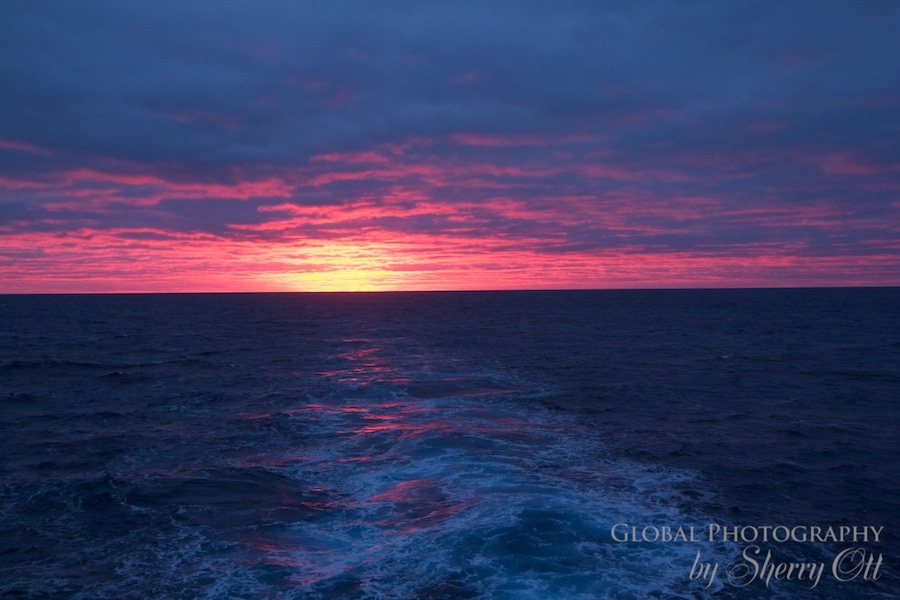
Colorful sunrise in Antarctica from the MS Expedition
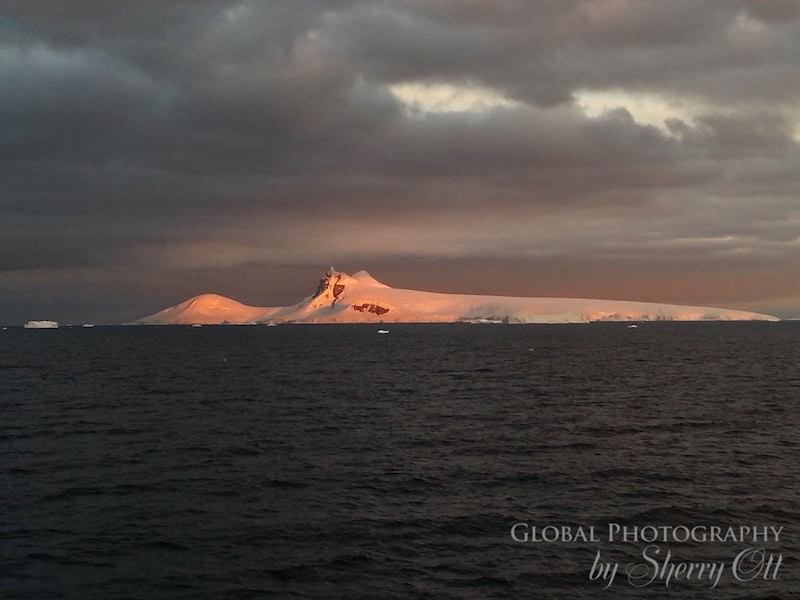 Dark storm clouds hang over a calm ocean at sunset in Antarctica


You Will Get Tired of Being Social and Struggle to Find Alone Time
The beauty of the Ross Sea trip was that it was a small ship with fewer than 50 passengers. However, you are with those same people for an entire month for every waking moment.
Every meal is a social experience. You are expected to go eat in the dining room and eat with everyone. This means there is social pressure to chat with people during that time. I know that doesn’t sound like a big deal – but some mornings I woke up and just desperately wanted to eat without having to chit-chat. I simply wanted to be alone.
I’m a very social person, but there were a few moments of alone time on a ship of that size. You can find some solace in your cabin, in the library, or out on deck if it isn’t stormy.
Luckily, I had a SUPER roommate that I was paired with who I got along with wonderfully, so we made sure that we had time alone in the room, and quite frankly, we didn’t mind being together in the room either. She is a painter, and I am a writer; our cabin was our little creative ‘home,’ and we complemented each other. However, you don’t always get that lucky at the roommate roulette. Some struggle with roommate relationships, which can make the social aspect of the expedition even more challenging.
I personally think you just have to go into it being realistic. It’s going to be challenging to be on a small boat with people that you like and don’t like. But just keep in mind that this is not life or death – it’s simply 28 days… and the prize is that you get to go to Antarctica!

Food and Dining Experience: Better Than You Expect
The Spirit of Enderby, the ship I took with Heritage Expeditions across the Ross Sea, is not a luxury expedition ship – it’s functional and no frills. However, the one thing that was luxurious on the cruise was the food.
Chef Ed and Chef Max fed us three meals a day for 28 days and never repeated any lunch or dinner menu item. The Chefs took so much pride in putting out a beautifully plated meal in some of the roughest waters on earth. It was impressive to watch and even better to eat. I was so impressed that I created a video of their cooking in rough seas!


Why I Didn’t Gain Weight
You would think that with three glorious meals and two desserts a day, you might gain weight.
The good news is that the chef puts all of the food into very reasonable portion sizes, and you only eat what you are given. There are no extras or seconds. So in a way, the portion control is what saved me. But if you want snacks, there’s always a piece of fruit available.
Plus, since the ship is always rocking, you actually do use your core muscles more than normal in everything you do. Simply standing is a workout on a ship in the Southern Ocean. There are also opportunities to do hikes every time you do a landing. Take all the opportunities you can to move and work off some of the delicious desserts!
What to Expect About Your Zodiac Landings
How Physically Fit Do You Need to Be?
One of the most common questions I get about Antarctica is whether you need to be in excellent physical shape to go. The answer is no, but you do need a reasonable level of mobility and balance.
The most physically demanding part of an Antarctic expedition cruise is getting in and out of the zodiacs. Sometimes the sea is calm, and the transfer is easy. Other times, the ship and zodiac are both moving with the swells, and stepping between them can take some coordination.
And quite frankly – it’s scary when you are trying to step from one rocking vessel to another in the middle of the ocean! Expedition staff is there to help every step of the way, but it’s important to understand that this isn’t as simple as stepping off a cruise ship onto a dock.
Once ashore, you may find yourself walking on snow, rocks, muddy trails, or uneven ground. Most landings involve walking, and many travelers choose to spend multiple hours exploring and photographing wildlife. And once you’re there, you’re standing. The whole time. There’s no bench, no rock reserved for tired knees, no “I’ll just sit this one out.” You stand until the Zodiac comes back for you.
You can’t even put your backpack down on the ground due to regulations. The only thing that can touch the ground are the soles of your boots. . Enforced by the International Association of Antarctica Tour Operators (IAATO), these biosecurity measures prevent the spread of diseases (such as avian flu) and the crushing of delicate vegetation.
You don’t need to be an athlete or experienced adventurer to enjoy Antarctica. However, you will want to prepare. What you actually need is balance, core stability, and the kind of surefootedness that lets you adjust your weight on a rocking boat or a loose rock without a second thought.
If you can climb a flight of stairs without holding the railing, walk on uneven trail terrain, and get up off the floor without using your hands, you’re probably fine. If any of that gives you pause, that’s worth working on before you go — not because Antarctica will turn you away, but because you’ll enjoy it a lot more when you’re not white-knuckling every landing.
Flexibility beats optimism every time. Prep your body the way you’d prep for a hiking trip, not a cruise.


What Zodiac Landings Are Really Like
The way you do landings and get ashore on an expedition cruise is by zodiac raft. You will board the raft from a gangway on the ship and then get off on shore.
Sure, it sounds easy – but it isn’t.
Sometimes, it’s completely flat and easy, but the majority of the time, the swells are moving both the ship and the zodiac furiously. You have to step off the ship and onto the zodiac, trying not to fall in the boat or in the water. It does take some balance and athleticism. There are sailors and expedition staff to assist you, but realize this isn’t a cakewalk.
In addition, getting on and off zodiacs at the landings isn’t necessarily easy either. People fall and get wet occasionally.
Most of our landings were wet, which means you are greeted by crashing waves and rough waters as you swing your legs over the raft and walk in the water to shore. Once again, there will be people there to help you, but realize that this isn’t as simple as just stepping off a boat and onto shore.
People Will Get Injured
The ship is continuously moving, bobbing, and swaying, and inevitably, there are accidents. On the Ross Sea journey, we had to have one person emergency evacuated off the ship, and another broke his ribs (he was able to stay on the ship, though, and still did the landings on Antarctica!).
It takes a while to get used to the movement, and until you do, you have to hold on at all times. Sometimes the seas were so rough I nearly rolled right out of bed. Chairs fell over, drinks spilled, and showers were equipped with grab handles for a reason!
You are required to have emergency evacuation insurance for good reason. Plus, there is a doctor on board who can assist and advise in emergencies.
There is likely some sort of injury on every trip. Just try your best to make sure it’s not you!
Wildlife Encounters: What Kind of Animals Can You See, and Could You Get Close to Them?
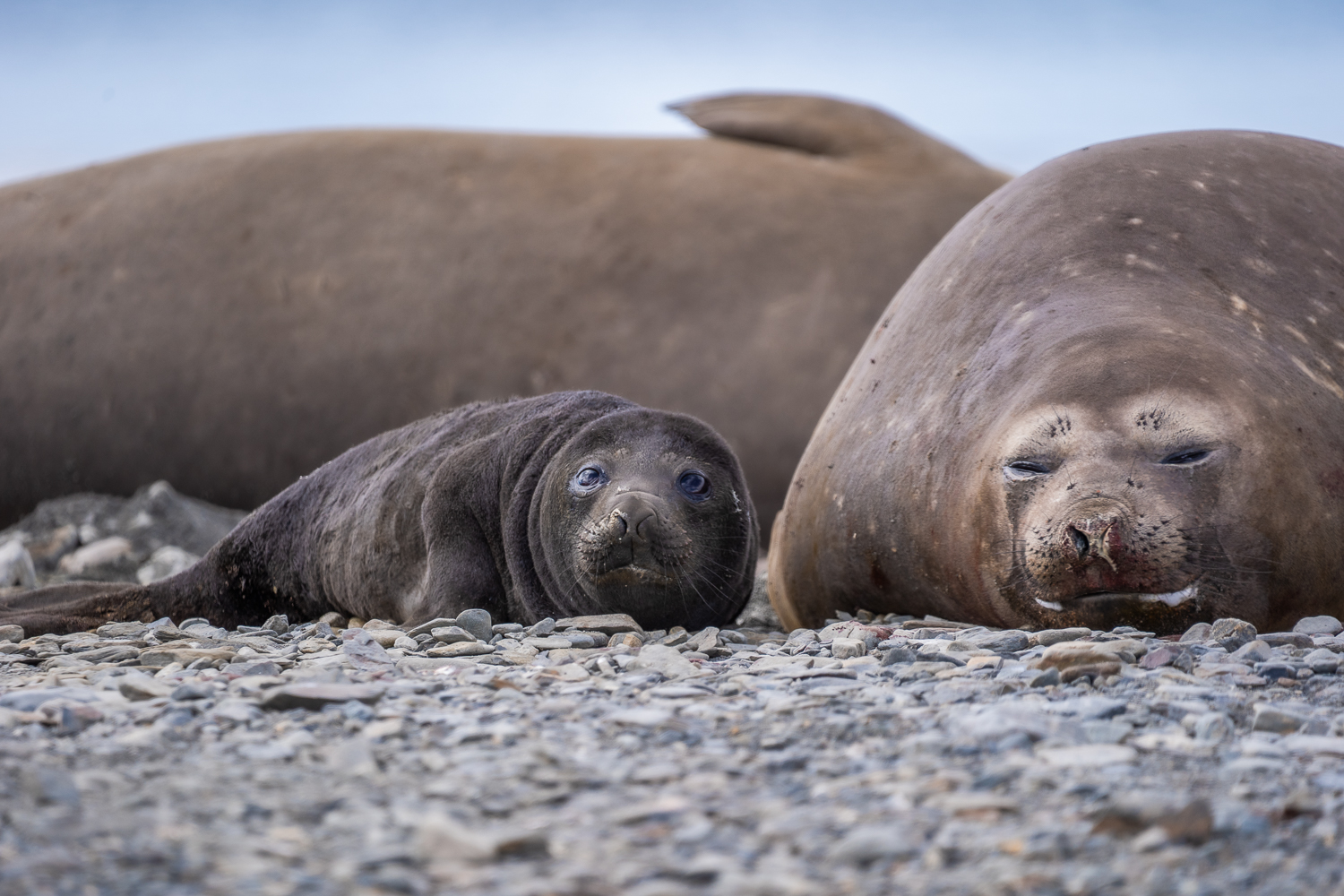
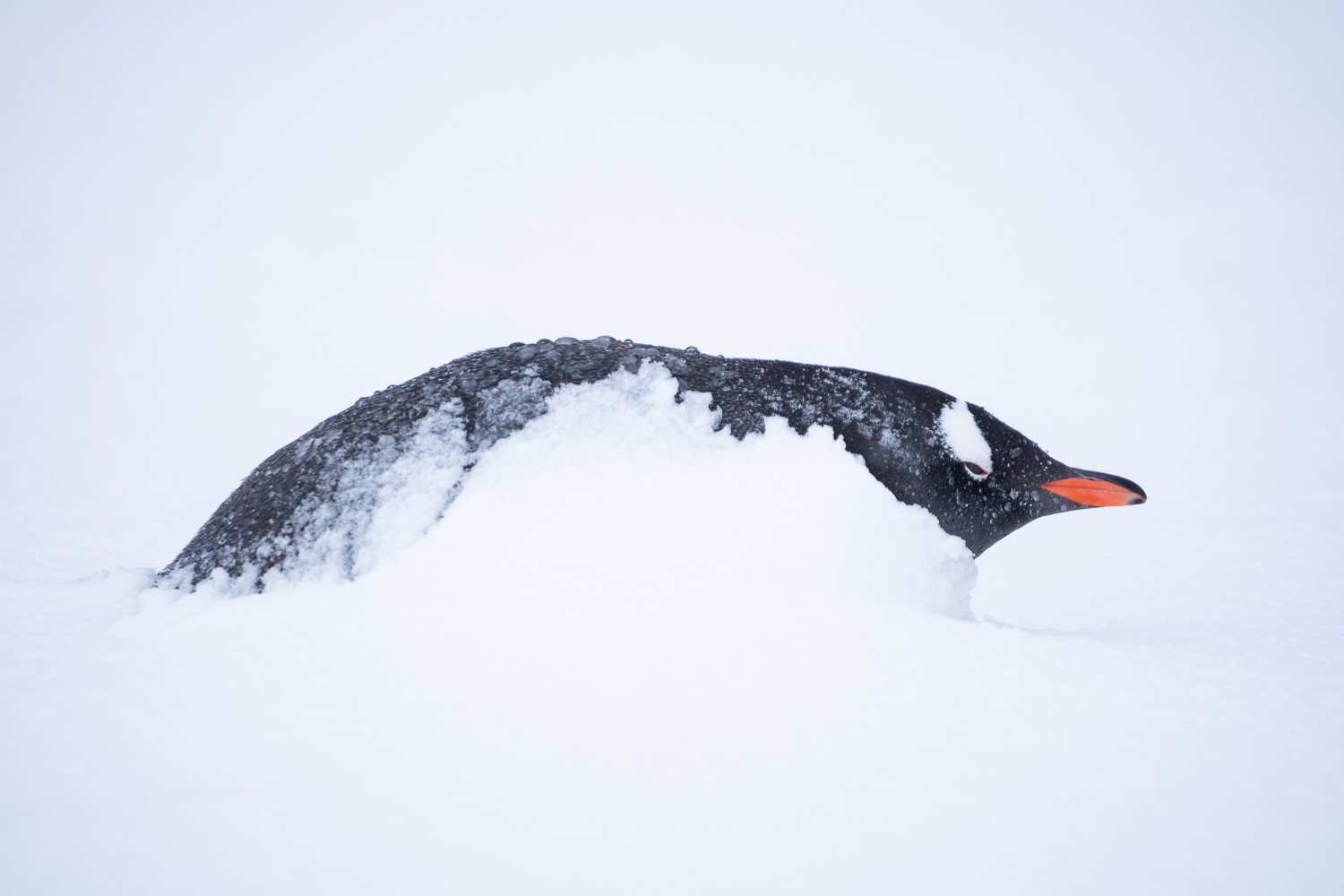
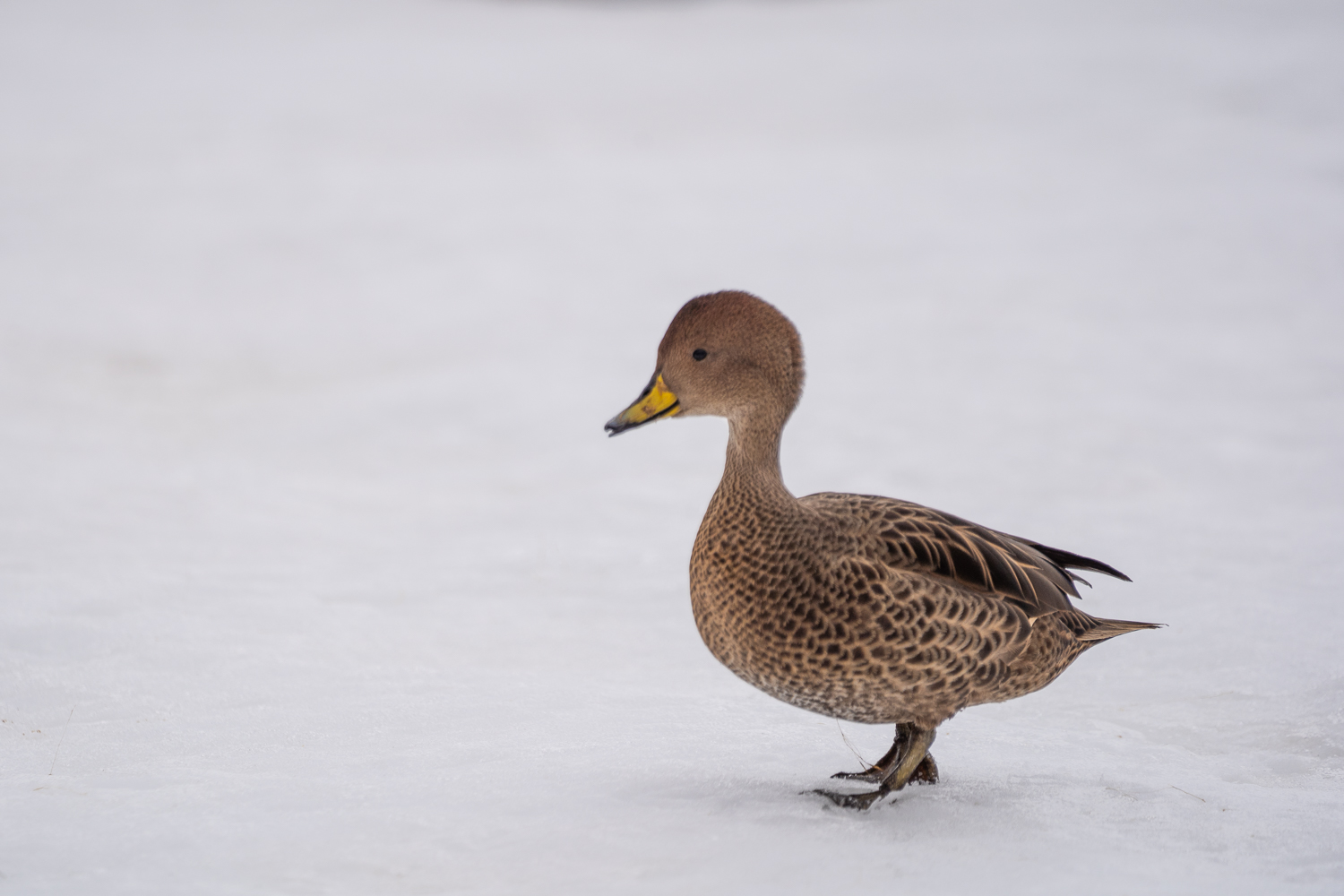
We saw Penguins (Gentoo, Macaroni, Chinstrap, Adelie), Seals (Leopard, Crabeater, Elephant, Weddell), Whales ( Minke, Orca, Fin), and a variety of seabirds. In the Ross Sea, we were also able to see King Penguins. We saw some pretty spectacular sights when it came to the animals – about 100 Orca whales hunting/harassing Minke whales, a leopard seal and a pup nursing, and rookeries including 60,000 penguins!
Yes – you were able to get very, very close to the animals in certain situations. In fact, the Fin whales were actually about 3 meters in front of our boat! And I had penguins come right up to me and peck on my GoPro camera a few times!
The expedition staff and crew were wonderful at pointing out the animals and providing you with loads of information on them. In addition, the Captain was thoroughly skilled at maneuvering our large ship very close to the wildlife, but not so close that it scared them.



What to Pack for Life on an Antarctica Expedition Ship
This is the section every packing list skips – what you need for life onboard an expedition ship. This is the small stuff that actually makes ship life livable. Life onboard isn’t formal. Nobody’s dressing for dinner. It’s lectures, deck time, wildlife-watching, and a lot of hanging out in fleece — but there’s a real skill to packing for it, and three expeditions in, I’ve got it down to a system. Keep these three things in mind while packing, and you’ll be golden:
- Everything should be waterproof.
- Layers matter more than bulk.
- Conditions can shift quickly throughout the day.
A sling bag or over-the-shoulder tote
You’ll be moving around the ship constantly — cabin to lecture hall to deck and back — and you want your hands free every single time, because ships pitch without warning. I use a medium sling bag for exactly this: book, phone, headphones, all in one bag across my body, both hands free to grab a railing. This one even fits a camera.
However, if you want to have your camera with a telephoto lens at the ready at all times as you walk around the ship (which of course you do!) Then you’d need something a bit bigger – like a tote or a regular camera backpack. Having a ‘ship’ bag is a non-negotiable for me now
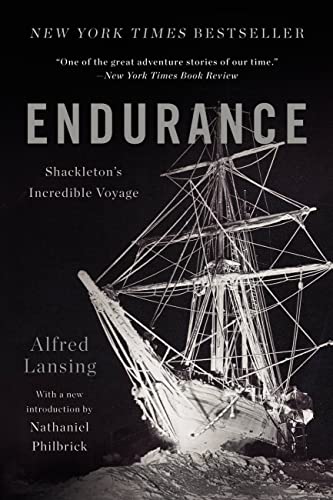
Something to do that isn’t a screen
There’s more downtime at sea than people expect. I bring books, downloaded shows, podcasts — the usual. But I also always pack a project that has nothing to do with a screen: something to write in, sketch in, knit. Screen-free hours at sea hit different than screen-free hours at home, and you’ll want the option.

|
 |

|

|
|
|
Primary Rating:
3.5
|
Primary Rating:
3.5
|
Primary Rating:
3.5
|
Primary Rating:
3.5
|
Primary Rating:
3.5
|
|
$13.99
|
$36.48
|
$9.99
|
$15.99
|
$10.53
|
Heavy-duty magnetic hooks
Cabin walls on expedition ships are metal, and cabins never have enough hooks — you’ll be drying gloves, hanging towels, organizing gear daily. A set of strong magnetic hooks solves this instantly. Cheap, tiny, ridiculously useful.
An eye mask, because the sun doesn’t set
Nobody warns you about this part: in Antarctic summer, it barely gets dark, if at all. Your body has no idea when to sleep. A real eye mask isn’t optional here — it’s the difference between sleeping and not.
Rugged slippers
I travel with KEEN wool slip-ons — hard sole, real traction. They’re comfortable enough to lounge in but sturdy enough that if someone yells “whale!” I can bolt out on deck in them without falling on my face.

Great for indoor/outdoor use and perfect for expedition cruising. Comfortable, warm, and sturdy enough to wear outside on deck!
Your own insulated mug
Coffee and tea are always flowing on these ships, but a standard mug on a moving ship means sloshing, spilling, and lukewarm coffee within minutes. I bring an insulated one with a lid so I can actually carry a hot drink out on deck and watch icebergs go by without wearing it.
A real water bottle, especially for landings
On my monthlong Eastern Antarctica expedition, our ship was small enough — and far enough from the usual tourist routes — that we’d sometimes get 3 to 4 hours on land per landing. That’s a long time to be thirsty. Bring a bottle you can easily refill so you can take it on landings.
A Laundry Scrubba, and something to hang it on
Ship laundry service exists, but it’s expensive, and honestly unnecessary for a few socks and a base layer. I travel with a Scrubba bag and a bit of laundry powder, and hand-wash as I go. On that Eastern Antarctica trip, I was sink-washing constantly (before I ‘found’ the Scrubba!), which meant I also needed a travel clothesline strung across my cabin at all times. It’s not glamorous. It works.
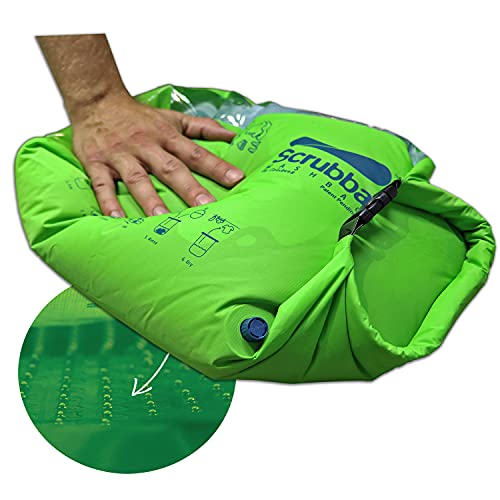
This hand 'washing machine' for hotel and travel means I never have to do sink laundry again! This large bag has solved so many travel problems for me. The bumps inside the bag provides a wash board effect and cleans your clothing better than you ever could by hand. Plus - the bag doubles as a dry bag! If you are a sink laundry traveler - you must try the Scrubba!

A cross-body phone strap
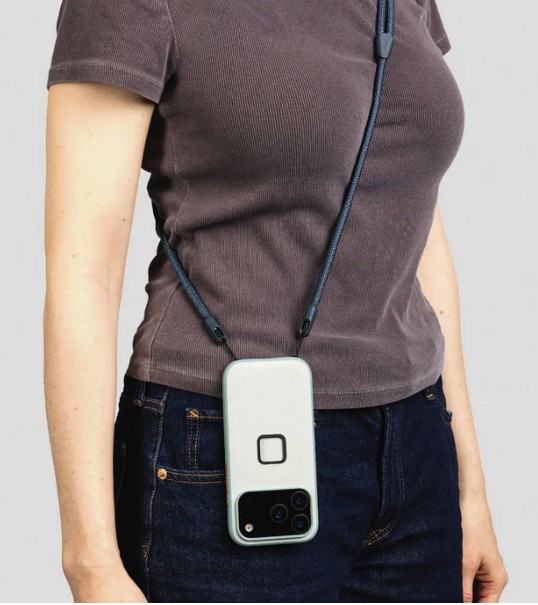
This turned out to be the single piece of gear I used the most, on the ship and off it. It means I’m never fumbling for my phone with one hand while holding a railing with the other — and in a Zodiac, it meant I could film a leopard seal without genuinely risking dropping my phone in the Southern Ocean.
-
 $49.95Buy Now
The Mobile Crossbody Strap is the ultimate low-profile strap solution for your phone or small point-and-shoot camera. Thanks to the brilliantly intuitive Micro Anchor™ connection system, you can attach/remove your phone/camera with ease, and carry it with 2 points of connection for a twist-and-tangle-free experience.
I earn a commission if you click this link and make a purchase, at no additional cost to you.
-
 $25.60Buy Now
This is a travel game changer - never be in fear of dropping your phone again. I find this especially great for adventure travel like expedition cruising, where I find myself frequently taking pictures in high-risk-of-drop situations. It's easy to adjust, durable with metal rings and clasps, and has no messy hanging ends.
I earn a commission if you click this link and make a purchase, at no additional cost to you.
10/22/2026 06:03 am GMT
A wildlife field guide, if you’re a note-taker.
Ships usually have reference books available, but if you like to mark up your own copy, bring this one.
Binoculars — which I didn’t bring, and regretted
I leaned on my telephoto lens instead, and it worked, but it’s not the same as just lifting binoculars to your eyes. Granted – ships normally have a couple of extra pairs of binoculars up on the Bridge that passengers can use. But that’s just for the Bridge area. It’s nice to have your own that you have with you in your sling bag so you are prepared at any time. Next time, I’m packing a pair.
A travel adapter and power strip
Between heated socks, heated mittens, camera batteries, and a phone, you’ll be charging more at once than your outlet can handle. I don’t travel with anything except the TESSAN travel adapter at this point — it just handles everything. Has all of the international plugs, and you can plug multiple items into it at once thanks to its power! You’ll have a lot to keep charged – from camera batteries, phones, video camera batteries, e-readers, heated glove/sock batteries, hand warmers, etc. You’ll want something that can handle multiple things at once when you are doing two landings a day!

This international plug adaptor has USB-C and USB-A charging ports. Charge up to 5 items at the same time! With a lightweight design and compact size, this travel plug adapter can easily fit in your pocket, effectively saving space in your suitcase, backpack, briefcases, and handbag. No surge protection, no cords, making it a cruise ship essential.
What You Actually Wear, Day to Day
Forget packing “nice outfits” – ship life runs on leggings, joggers, base layers, and fleece, on repeat, every day. For expedition ships, it’s all about comfort. The only real rule: whatever you’re wearing needs to get you outside fast, because wildlife doesn’t wait for you to change.
Complete Antarctica Packing List
Make sure you also check out my packing suggestions for experiences off the ship too. Things like what to wear to stay warm and dry on landings, photography equipment, waterproof items for zodiac rides, and more!
Best of All, You Will Have a Once-in-a-Lifetime Experience
Some of these things I mentioned may seem a bit daunting, but I can’t stress enough that the reward far outweighs any inconveniences.
It’s really just that magical. And besides, if everything goes smoothly, then it’s not really an adventure, is it? I love this type of travel. It’s what makes me the happiest, and I know I’m not alone. Today, people want to feel like they really are going somewhere unique and having a one-of-a-kind experience, and that’s exactly what an expedition cruise to Antarctica is, especially Eastern Antarctica. After all, only 500 people a year go there, and where else on earth is that the case?


Antarctica Expedition Cruise FAQs
The Drake Passage has earned its reputation for rough seas, and I was seasick on both of my Antarctic trips. The good news is that most travelers adjust after a couple of days, and the incredible experience waiting for you in Antarctica makes the crossing well worth it – even if you fall ill to seasickness.
Antarctica is cold, but often not as cold as many people expect during summer in the Southern Hemisphere. On my trips, temperatures were frequently around the upper 20s to 30s°F. It was the wind and sea spray during Zodiac rides that often made it feel colder than the thermometer suggested.
Most Antarctic cruise passengers are everyday travelers, not extreme adventurers. If you can comfortably walk for an hour or two, climb stairs, and maintain your balance on uneven ground, you’ll likely be able to participate in most expedition activities.
Yes, internet is available on most Antarctic cruise ships, but it is usually satellite-based, expensive, and limited. It’s a great opportunity to disconnect and focus on the experience instead.
Packing for Antarctica is less about bringing everything and more about bringing the right things. Waterproof gear, layers, and protection from wind and sea spray are essential, while small items like a travel mug, clothesline, and extra camera batteries can make life on board much easier. Check out my Antarctica Packing List and Extreme Cold Packing Guide.


